
When an old dog starts acting weird, it can be deeply unsettling for owners who know their dog’s routines and personality well.
Subtle behavior changes are often easy to dismiss at first, but in senior dogs, they can be early warning signs that something isn’t quite right.
Table of Contents
Old Dog Acting Weird: Why It Happens
An old dog acting weird is usually responding to physical discomfort, changes in brain function, sensory decline, or internal illness.
As dogs age, their bodies and nervous systems become less adaptable, making them more sensitive to pain, hormonal shifts, and environmental changes.
Medical conditions can alter behavior before obvious physical symptoms appear, while cognitive changes may affect memory, awareness, and emotional regulation.
Stress, vision or hearing loss, and medication side effects can also cause unusual behaviors.
Because behavior is closely tied to overall health in senior dogs, acting “off” is often the first clue that something deeper is going on.
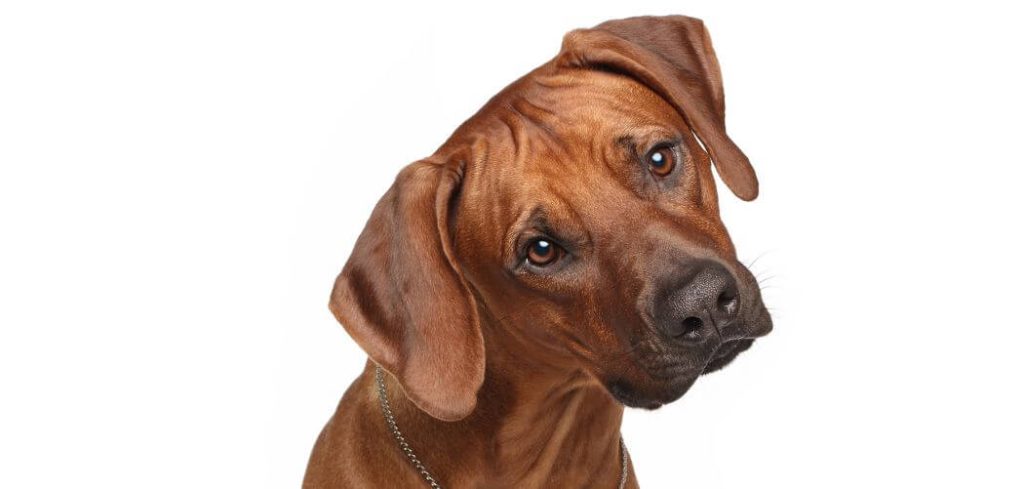
Old Dog Acting Weird: Symptoms
If your old dog is acting weird, you may notice a combination of behavioral and physical signs:
- Pacing, circling, or restlessness
- Staring into space or appearing confused
- Hiding or avoiding interaction
- Increased clinginess or sudden aggression
- Changes in sleep patterns
- Accidents in the house
- Vocalizing more than usual (whining, barking, howling)
- Getting stuck in corners or behind furniture
- Loss of interest in normal activities
Old Dog Acting Weird: Common Causes
Cognitive Dysfunction Syndrome
Cognitive dysfunction syndrome is one of the most common causes of strange behavior in senior dogs. It affects brain function in ways similar to dementia in humans.
An old dog with cognitive decline may appear disoriented, get stuck in corners, pace aimlessly, or seem unaware of familiar people and places. These changes can happen gradually, making them easy to overlook at first.
You may notice disrupted sleep patterns, increased anxiety, staring into space, or sudden changes in social behavior.
While cognitive dysfunction is not immediately life-threatening, it can significantly impact quality of life and often worsens without management.
Read more: Old Dog Making Weird Breathing Noise (What it may mean)
Chronic Pain
Pain is a major and often underrecognized reason an old dog starts acting weird. Dogs instinctively hide discomfort, especially when pain develops slowly over time.
Arthritis, spinal disease, or joint degeneration can make everyday movements uncomfortable, leading to behavioral changes. An old dog may become irritable, withdrawn, restless, or resistant to being touched.
You may notice reluctance to climb stairs, difficulty lying down, stiffness after rest, or unusual vocalizations. Pain alters behavior because the dog is constantly trying to avoid discomfort, even if they can’t clearly show where it hurts.
Vision or Hearing Loss
As dogs age, gradual loss of vision or hearing can make the world feel confusing and unpredictable. This sensory decline often leads to behaviors that owners describe as “weird” or out of character.
An old dog may startle easily, bump into furniture, hesitate in familiar spaces, or bark at nothing noticeable. Reduced hearing can cause a dog to ignore commands or appear detached.
These changes can increase anxiety and insecurity, especially in new environments. Sensory loss itself isn’t dangerous, but the stress it causes can significantly affect behavior and emotional well-being.
Internal Organ Disease
Diseases affecting the kidneys, liver, or heart often cause subtle behavioral changes before physical symptoms become obvious. Toxins building up in the body can directly affect brain function and mood.
An old dog with internal illness may seem confused, restless, unusually quiet, or less responsive. Appetite changes, increased thirst, or changes in bathroom habits may also occur.
Because these conditions progress silently, behavioral changes are sometimes the first outward sign. Delaying evaluation can allow disease to advance before treatment begins.
Hormonal Imbalances
Hormonal disorders can strongly influence behavior in older dogs. Conditions such as Cushing’s disease or thyroid imbalance alter how the body regulates stress, energy, and metabolism.
An old dog with hormonal imbalance may appear anxious, restless, excessively hungry, or unusually lethargic. Some dogs develop clingy behavior, while others become withdrawn or irritable.
These shifts can feel sudden or confusing for owners, especially when paired with physical changes like hair thinning or weight fluctuation. Hormonal conditions are manageable, but they require diagnosis and ongoing care.
Medication Side Effects
Senior dogs often take medications for chronic conditions, and aging bodies process drugs differently. Even medications that were previously tolerated can begin causing side effects.
An old dog may act weird due to dizziness, nausea, increased anxiety, or altered sleep patterns related to medication use. Behavior changes may coincide with new prescriptions or dosage adjustments.
While medication side effects aren’t always dangerous, they should never be ignored. Adjustments may be needed to restore comfort and mental clarity.
Read more: Old Dog Circling and Pacing (What it means)
Old Dog Acting Weird: What to Do
If your old dog is acting weird, start by observing patterns rather than focusing on a single moment. Take note of when the behavior occurs, how often it happens, and whether anything seems to trigger it.
Maintain a calm, predictable routine to reduce stress. Senior dogs rely heavily on familiarity, and sudden changes in schedule or environment can worsen confusion or anxiety.
Make your dog’s space easier to navigate by minimizing clutter, using night lights, and keeping furniture arrangements consistent. This is especially helpful if sensory decline may be contributing.
Ensure your dog is comfortable by providing supportive bedding and avoiding forced activity. Gentle movement is beneficial, but pushing through discomfort can worsen behavior changes.
Finally, keep a written record of behavioral shifts, appetite changes, sleep patterns, and medication timing. This information is invaluable when discussing concerns with your veterinarian.
When to Call or Visit Your Vet
If acting weird is paired with sudden confusion, collapse, seizures, or loss of coordination, veterinary attention should be immediate. These signs can indicate neurological emergencies.
Behavior changes accompanied by vomiting, diarrhea, increased thirst, or appetite loss should not be delayed. These combinations often point to systemic illness.
If your old dog becomes aggressive, panicked, or unable to settle, this may signal pain or severe anxiety that requires medical evaluation.
Any persistent behavioral change lasting more than a few days, especially if it worsens, warrants a veterinary visit even if your dog seems physically “okay.”
Old Dog Acting Weird: Treatment
Treatment for an old dog acting weird depends on the underlying cause. Your vet may perform a physical exam, blood tests, and possibly imaging to rule out medical conditions.
If cognitive dysfunction is diagnosed, treatment may include medications, supplements, and environmental adjustments to support brain function.
Pain-related behavior changes can often be improved with appropriate pain management.
If anxiety is a factor, behavioral strategies or calming medications may be recommended.
Treating underlying illnesses such as infections or organ issues can often resolve the behavioral changes once the condition is managed.
Key Takeaway
When an old dog is acting weird, it’s rarely just a personality change or a normal part of aging. Behavior is closely tied to physical and mental health, especially in senior dogs.
Early attention to subtle changes allows underlying issues to be identified before they become more serious.
By observing carefully, maintaining routine, and involving your veterinarian when needed, you can help your aging dog stay comfortable, secure, and supported through every stage of life.


